Monday, November 17, 2025 – Friday, January 30, 2026
In commemoration of the 50th anniversary of the Shadai Gallery, the gallery will hold an exhibition of Peng Ruey-lin’s photographs entitled, “Who Am I?” The Japanese title of the exhibition presents the phrase “Who Am I?” in four languages: Japanese, Hakka, Taiwanese, and Mandarin, posing the question of the identity of the photographer Peng Ruey-lin, who lived his life within the space of these languages.
Peng (1904-1984), was born in Taiwan during the period of Japanese colonial rule. His family were members of the Hakka people, who migrated to Taiwan from Guangdong Province and elsewhere in China beginning in the 17th century. In 1928, he entered the Konishi Professional School of Photography (now Tokyo Polytechnic University), graduating in 1931 as one of the first generation from Taiwan to study photography in Japan.
With the cooperation of Peng’s family, we were able to bring all of the exhibited photographs from Taiwan for what amounts to the first solo exhibition of Peng’s work in Japan. For the gallery as well, this was an opportunity to exhibit work by a former student from the earliest years (1929) of the school. Peng and his work are an important part of the history of photography in Taiwan, and in Japan as well.
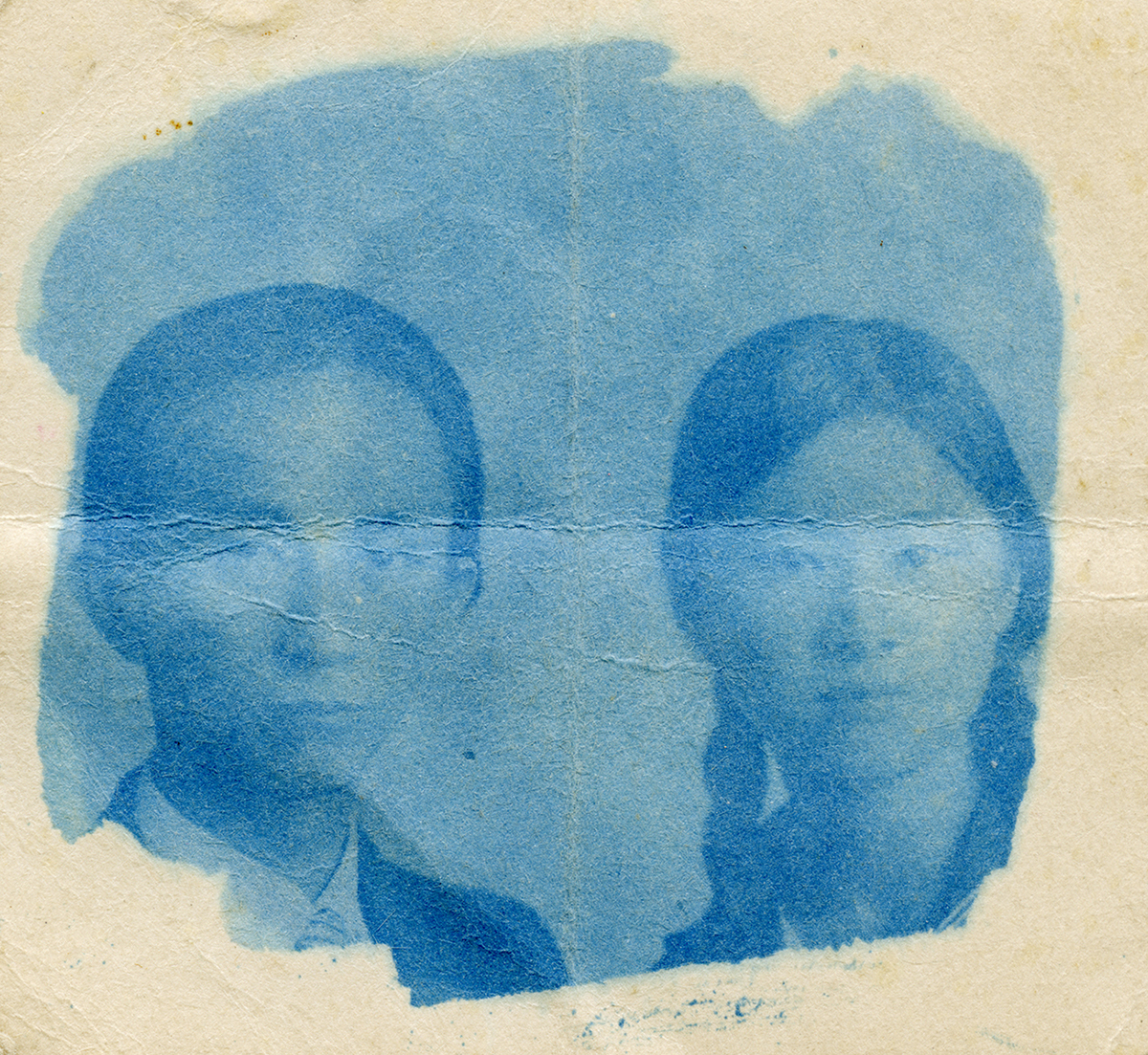
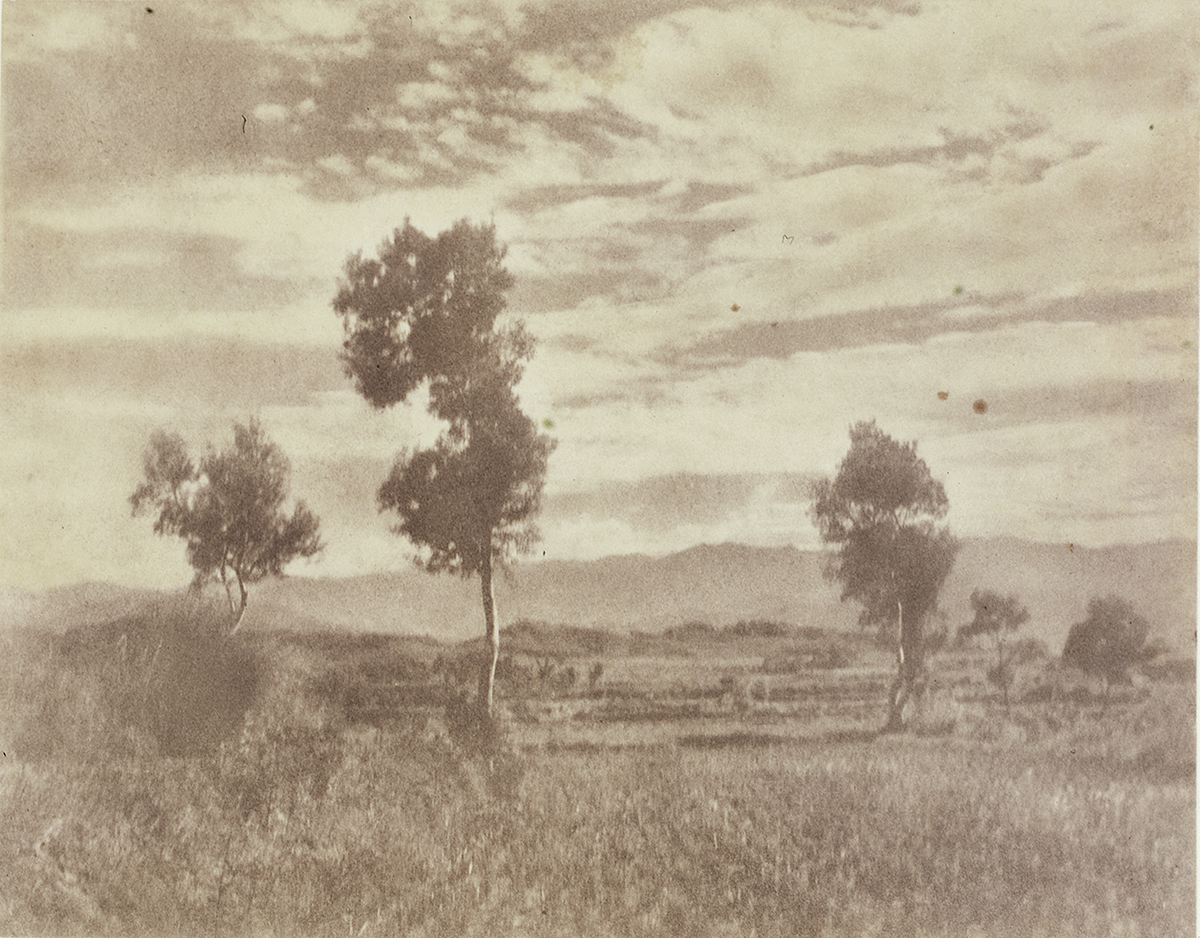
While enrolled at this school, Peng avidly studied cutting-edge photographic techniques and expression under the mentorship of then-principal Yuki Rinzo and teachers such as Ono Ryutaro, a leader of the Tokyo Photographic Research Society. Among the portraits he took of fellow students, there are numerous examples of prints made with the gum bichromate process. Of particular note is a color photograph made with the three-color carbon printing process. This complex process required a high level of knowledge and skill, and it is said that it took about two months to complete a print. Very few photographs made with this technique exist today in Japan, so this work is a valuable link to understanding photographic methods of that era. Peng’s work also displays the strong influence of such styles as Pictorialism that were popular at that time.
Peng’s life was buffeted by the changing currents of his time. Having been born under Japanese colonial rule, he had Japanese citizenship; he was drafted after war broke out in China and sent to Guangdong Province as an interpreter for the Japanese army. He had established the Apollo Photo Studio in downtown Taipei, but toward the end of the Pacific War, authorities forced him to abandon it out of fear of bombardment. After the war, he was arrested by the Kuomintang on trumped-up charges, and when he was released, he had lost most of his property.
Partly as a result of these developments, Peng abandoned photography. The February 28 Incident of 1947 was followed by an era known as the White Terror, with the Kuomintang-led government imposing martial law that continued for 38 years. Peng’s career was strongly impacted, and he became known in Taiwan as the “phantom photographer” or the “silent photographer.” For many years, he existed only in the memory of his family.
Throughout Peng Ruey-lin’s life, it is fair to say that he was forced to address the matter of his own identity. After the use of Japanese was severely restricted, he began to learn Mandarin Chinese when he was in his 40s, and one wonders what he thought and what he hoped for in the interstices of four languages. What language did he use when contemplating his life?
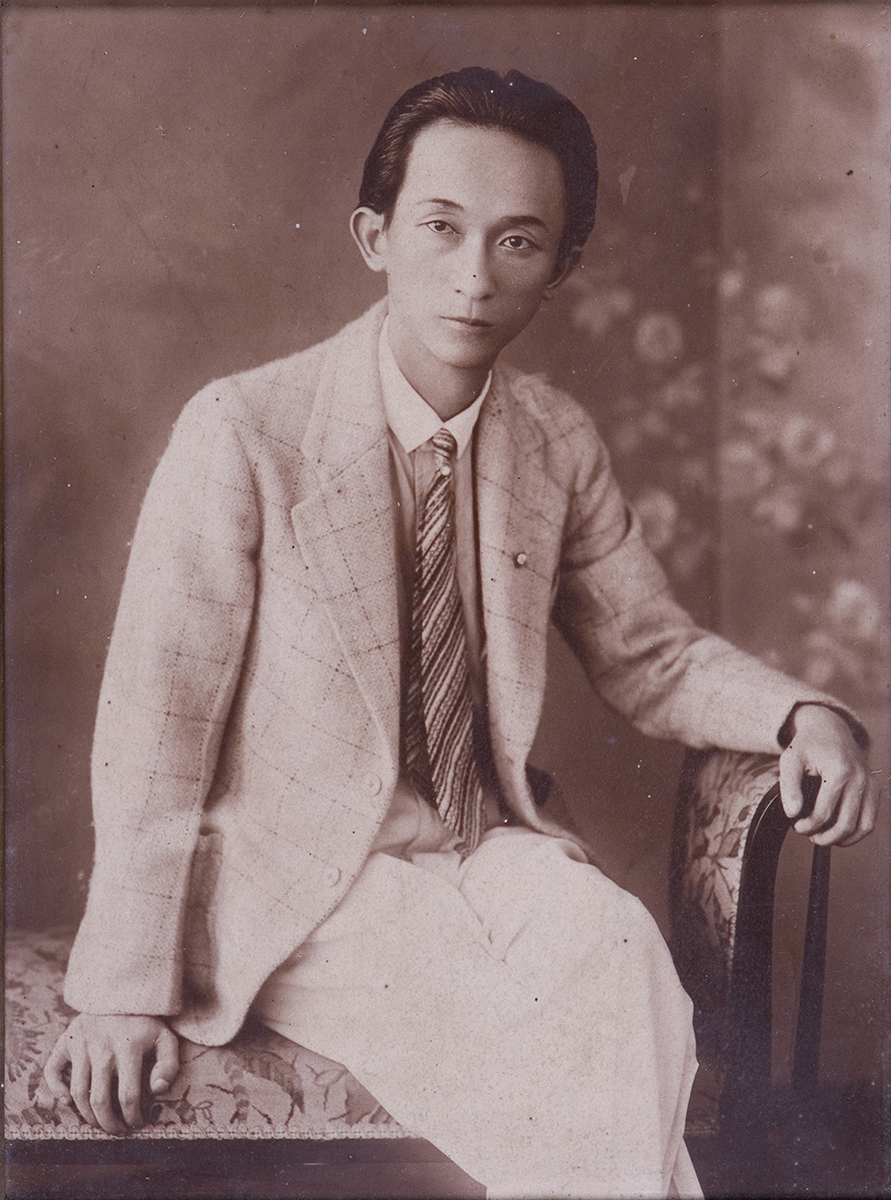
One thing Pend did not abandon during his later years was the self-portrait. Why was this? I can’t help but think that this represented his silent query, “Who am I?”
Born in Hsinchu County, Taiwan, during the era of Japanese colonial rule. Peng graduated from Taihoku (Taipei) Normal School in 1923 and entered Konishi Professional School of Photography (now Tokyo Polytechnic University) in 1928. He was the first person from Taiwan to receive an academic degree in photography. After graduating, he opened the Apollo Photo Studio in Taipei. While engaging in commercial photography, he created artistic works that showed the strong influence of Japanese Pictorialism. Within his studio, he also established the Apollo Photography Institute and dedicated himself to teaching photography. During the Sino-Japanese War, he was drafted and sent to Guangdong Province as an interpreter. He left photography after the war and became a doctor of Chinese herbal medicine at age 58. In recent years, exhibitions at the National Taiwan Museum, National Taiwan Museum of Fine Arts, and the National Center of Photography and Images have revived interest in his work.