Monday, September 4, 2026 – Saturday, November 7, 2026
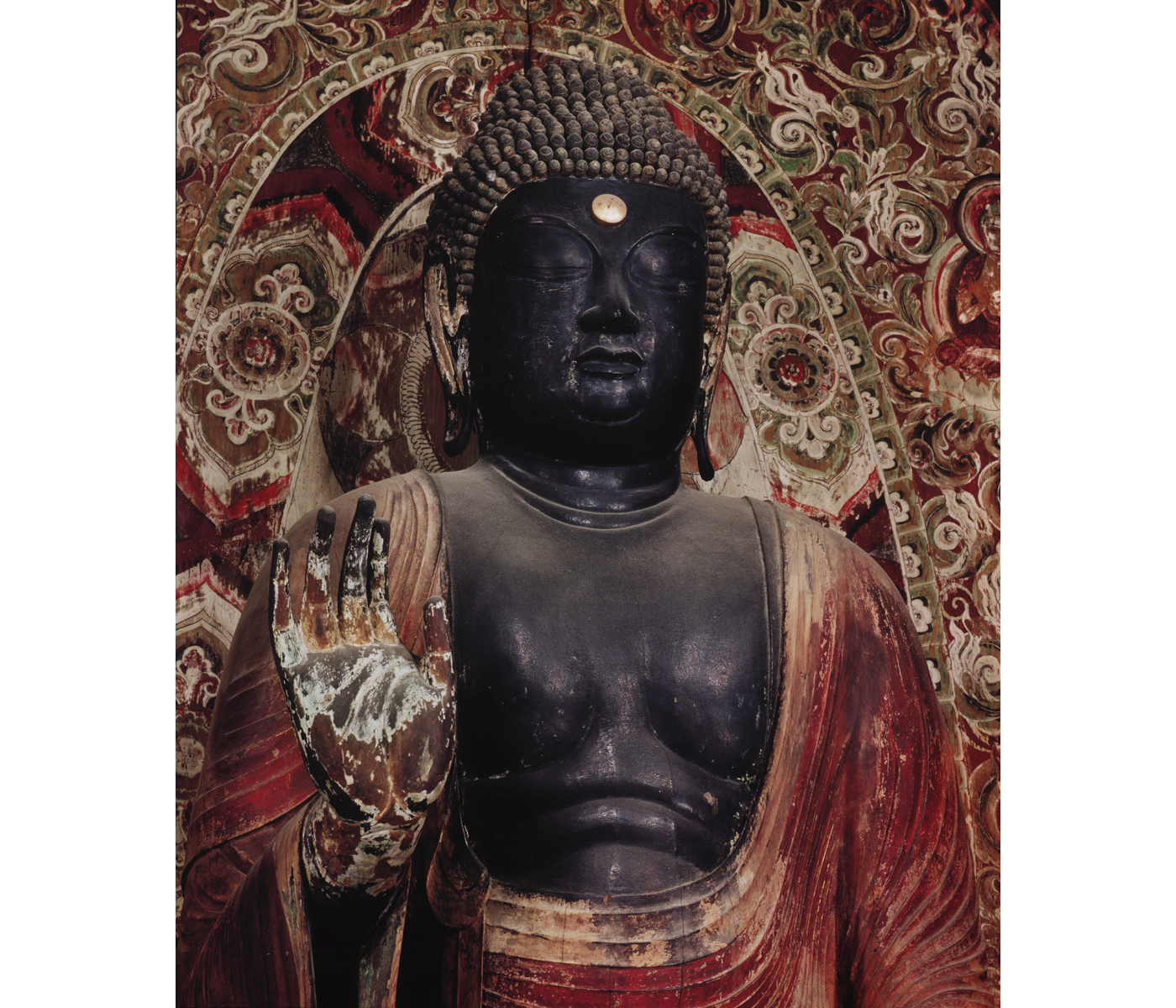
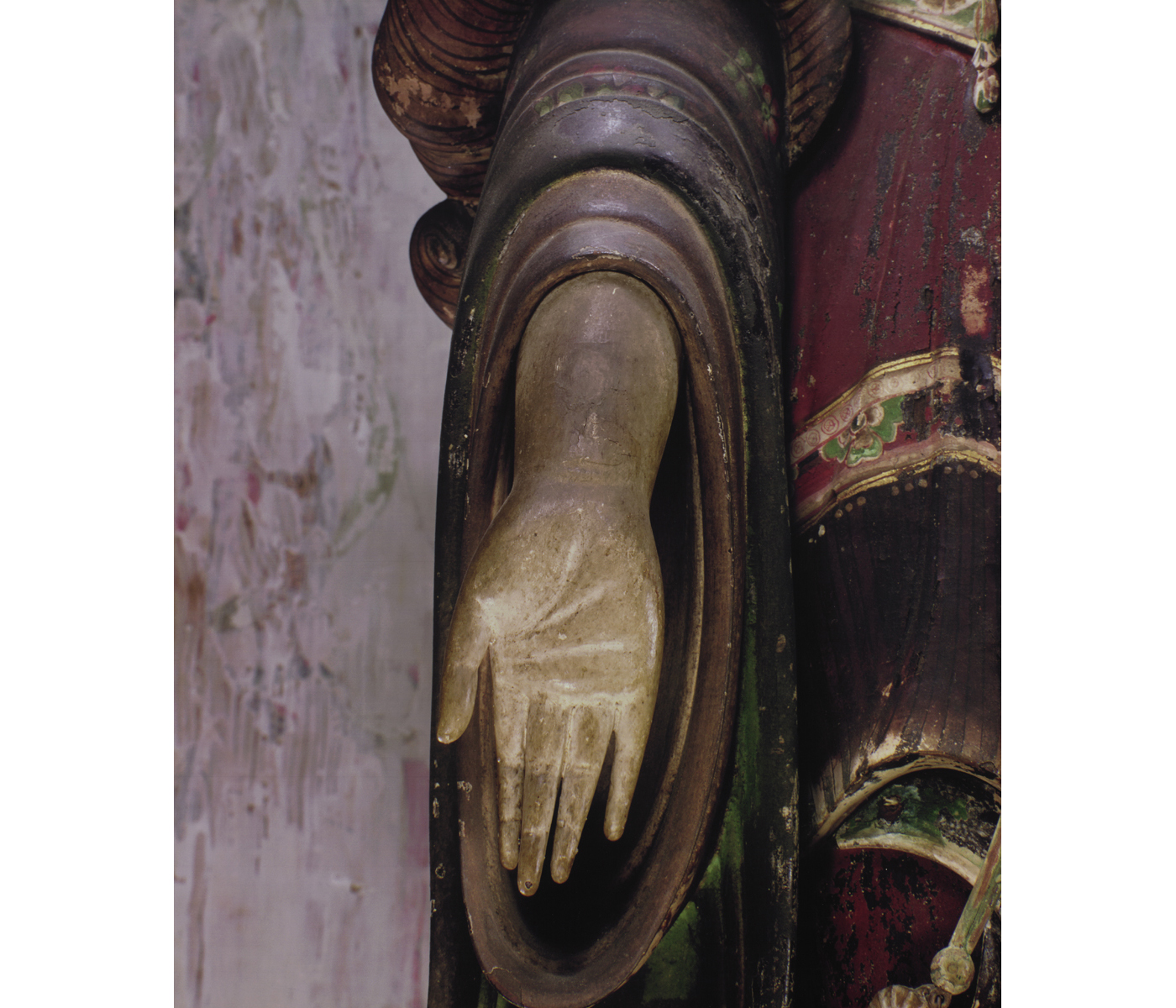
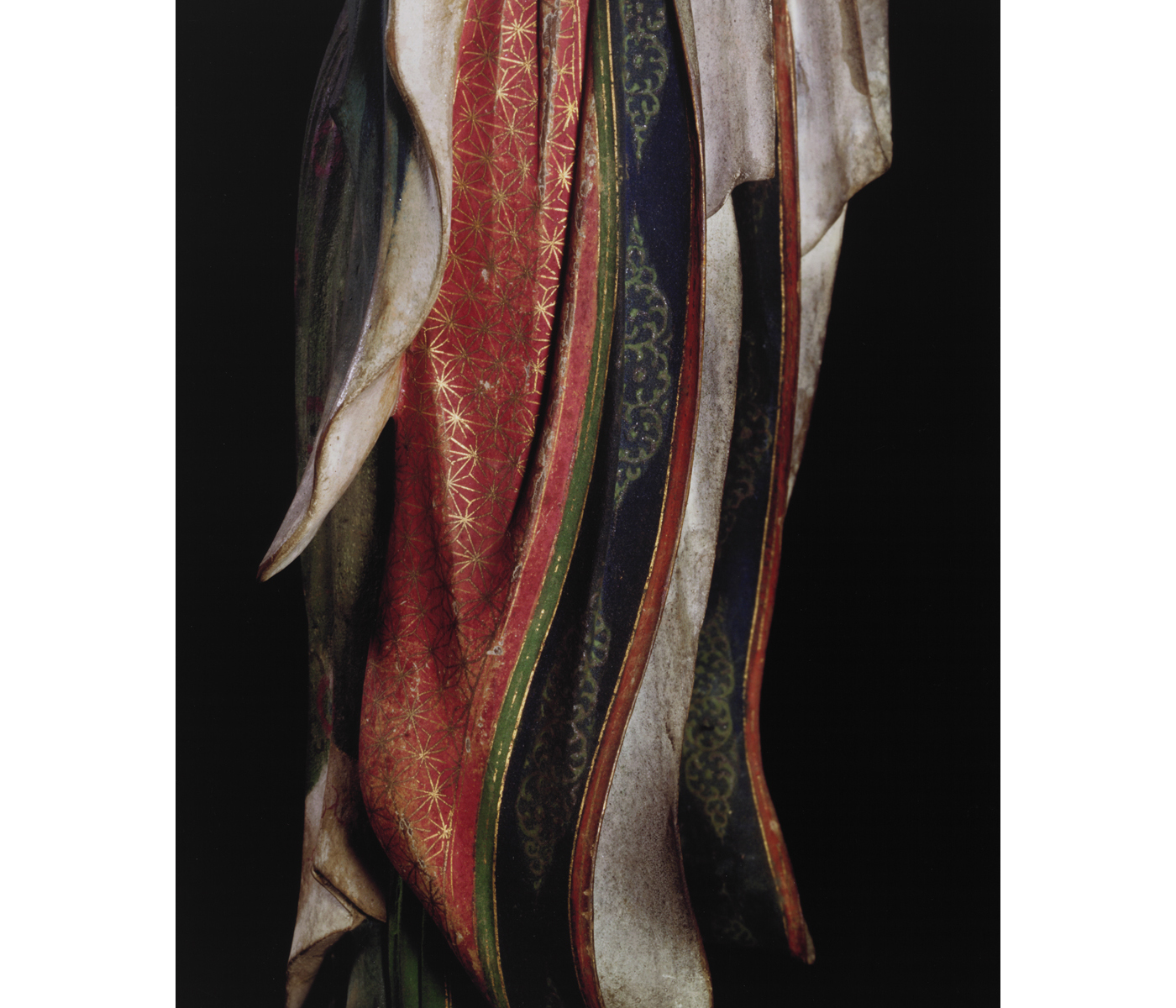
The Domon Ken Collection housed at the Shadai Gallery includes over 1200 photographs. Selected from that collection, this exhibition spotlights photographs of drapery on Buddhist sculptures that were published in Domon’s Kōji Junrei (Pilgrimage to Ancient Temples; five vols.; Bijutsu Shuppansha, 1963-1975).
In art history, “drapery” refers to the representation of folds and rumples in clothing. The role of drapery is especially prominent in sculptural art, where the pattern and rhythm of the shading it produces greatly influences the appearance of the image. Further, beyond its depiction of clothing, drapery also strongly reflects the style and spirituality of the era and region in which it was produced.
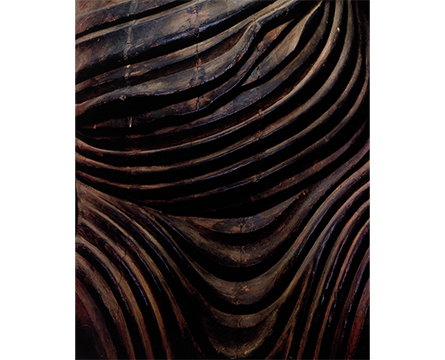
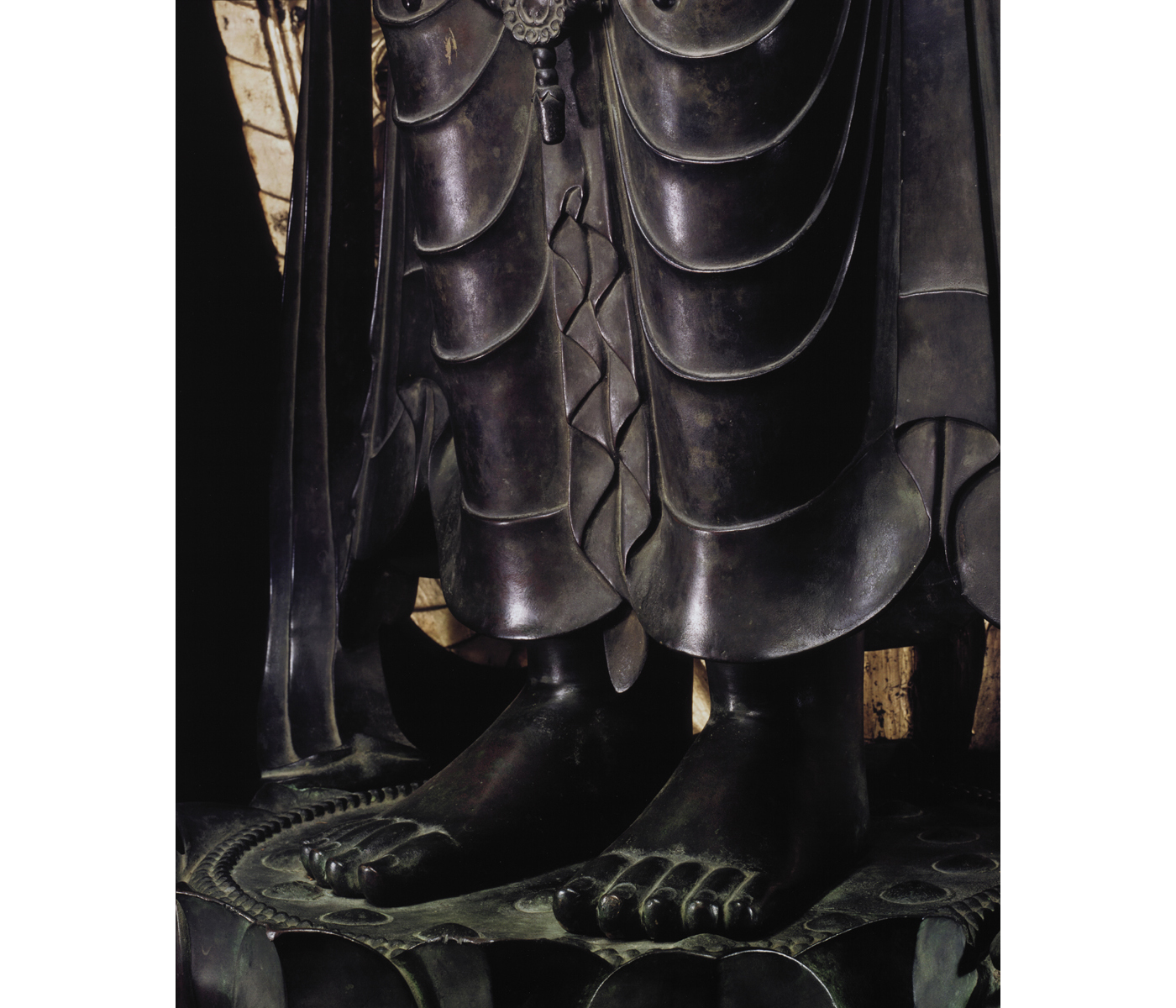
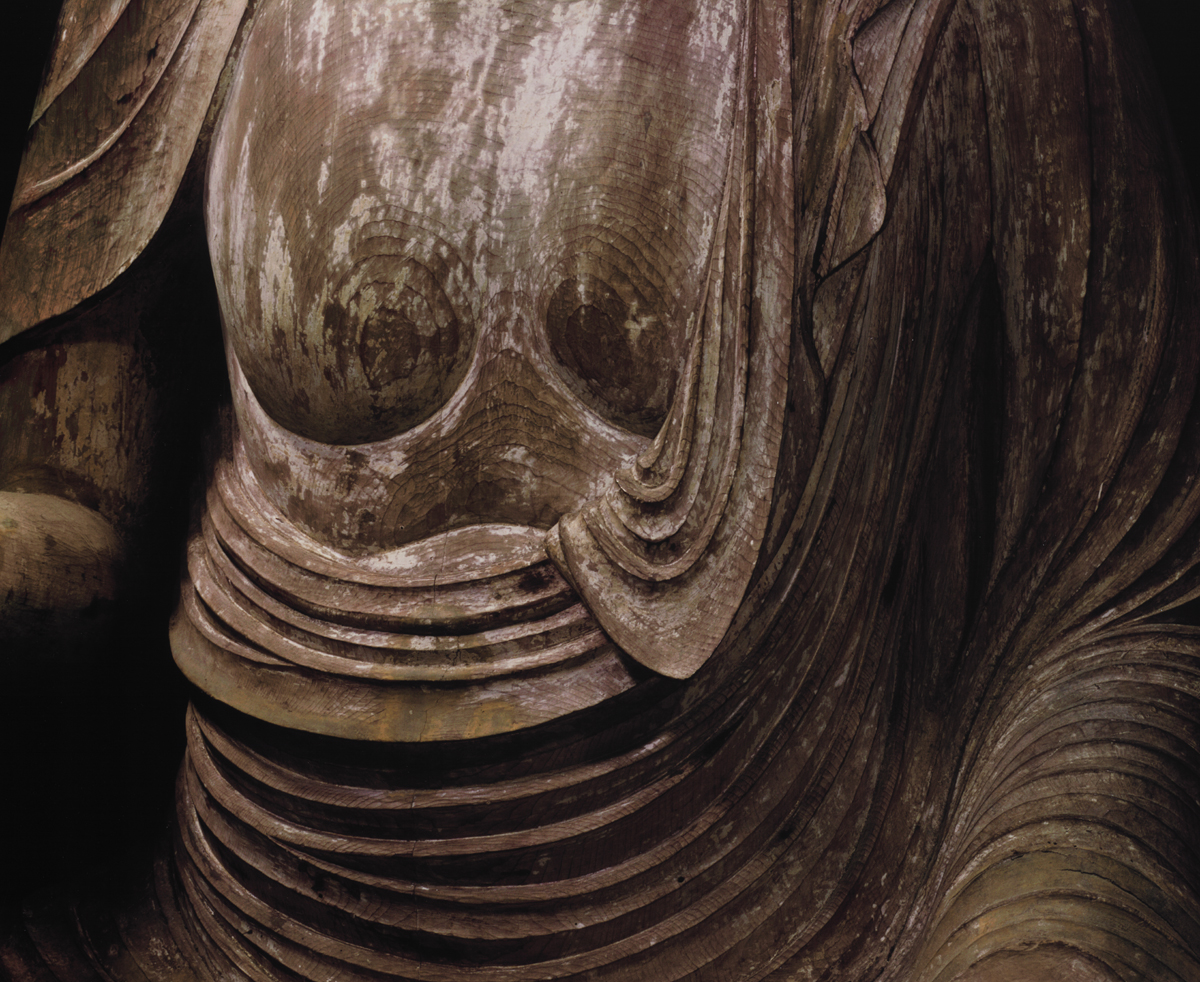
Each of the venerable Buddhist statues captured by Domon’s lens displays a distinctive beauty of drapery. From the Asuka period (538-710), which begins with a geometric drapery that is linear and symmetric; through the Hakuhō period (645-710), where depictions have a thin, tight elegance; to the naturalism of the Tenpyō period (729-749), the expression of drapery underwent a sublimation over time. In the early Heian period (794-1185), strong, rhythmical styles appeared, exemplified by Honpa-shiki (rolling wave style) and Renpa-shiki (rippling wave style) drapery; by the later Heian period, there was a shift to elegant, parallel patterns of shallow, gentle carving. Entering the Kamakura period (1185-1333), drapery expression arrived at a style of deep carving, characterized by realism and rich in vigor. In addition, various materials and techniques, such as the metal-casting of bronze and gold Buddhas, or the chiseling used to make wood-carved Buddhas, lent further diversity to the appearance of drapery.
It is not hard to imagine how Domon, who was intensely particular about close-ups, would be captivated by the minute expression of drapery. In fact, many of the photographs in Kōji Junrei focus on drapery, including some examples that make you wonder what he was shooting, so close is he that they nearly become abstract art.
The exhibition features some 60 works from this body of photographs of Buddhist statues, from the Asuka through the Kamakura periods. They throw into relief both the solemn aura of the statues themselves and the sculptural beauty that resides in their detail. The view that takes in the whole and the gaze that fixes on detail—moving between these two approaches should provide a new appreciation of Buddhist statues, and an encounter with the essential beauty of drapery that Domon Ken’s eye pursued.
Born 1909 in Sakata, Yamagata Prefecture. From his middle-school years, he aimed to become a painter, but he abandoned that plan due to family circumstances. In 1933, he apprenticed at the Miyauchi Kōtarō Photography Studio, a commercial studio, but he set his sights on photojournalism and, in 1935, joined Nippon Kōbō (Japan Studio), which Nattori Yōnosuke formed after returning from Germany. After the war, in camera magazines and elsewhere, he advocated “absolutely unstaged” photo-realism, exerting a strong influence on the Japanese photographic world. In 1958, he published Hiroshima (Kenkōsha), a collection that was acclaimed in Japan and abroad. His 1960 photobook Chikuhō no Kodomotachi (The Children of Chikuhō; Patoria Shoten), depicting the plight of the Chikuhō coalmining region, was a bestseller that sold over 100,000 copies. In the series that became his life work, Kōji Junrei (Pilgrimage to Ancient Temples), he photographed Buddhist temples and statues over four decades, devoting himself to this effort to photograph Japan.